Most students wait way too long to change their strings.
I can hear it the moment they start playing. Dull tone. No brightness. Strings that sound dead because they are dead.
Then they wonder why their guitar sounds bad.
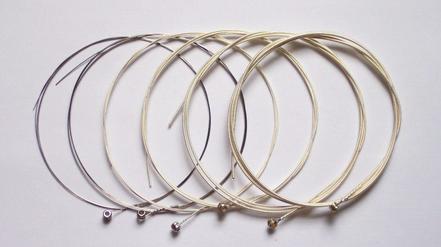
Here’s the thing: There’s no one-size-fits-all answer to how often you should change strings. It depends on how much you play, what you’re playing for, and honestly, how much you care about tone.
But there are some guidelines that’ll keep you from making the most common mistakes I see.
For Most Players: Every 2-3 Months
If you’re playing regularly – a few times a week, practicing at home, not gigging – change your strings every 2-3 months.
By three months, strings start losing their brightness. By six months, they’re visibly worn – rust spots, grime buildup, maybe even unwinding at certain frets.
Can you stretch them to six months? Sure. Some people do. But you’re not getting good tone out of them past three months, and you’re making your guitar harder to play than it needs to be.
If one string breaks, replace the whole set. Don’t just put a new string on and leave the old ones. They won’t sound balanced, and you’ll be changing the rest soon anyway.
For Gigging Musicians: Before Every Show
Many gigging musicians change strings before every performance.
Fresh strings give you optimal tone, better responsiveness, and they stay in tune more reliably once you’ve stretched them properly.
I know – it gets expensive if you’re gigging a lot. But this is what professionals do. Guitar techs restring every instrument before shows.
Some players prefer slightly broken-in strings over brand new ones. That’s fine. Change them a day or two before the gig, play them in, and you’ll have that balance of fresh tone without the “too new” feel.
But showing up to a gig on strings that are months old? You’re not doing yourself any favors.
For Recording: Always Fresh
Recording demands the highest sound quality.
Whether you’re in a professional studio or recording at home, use fresh strings. The clarity and tone difference is immediately noticeable in a recording.
Demos or rough ideas? You can get away with older strings. But for anything you’re releasing or submitting professionally, budget for string changes as part of the recording process.
You wouldn’t show up to a recording session with a guitar that’s out of tune. Don’t show up with dead strings either.
How to Make Strings Last Longer
Here’s what actually extends string life:
Wipe them down after playing. Every time. Use a clean cloth to remove sweat, grime, and dead skin. This one habit significantly reduces corrosion and buildup. For a complete guide to protecting your investment, read How to Make Your Guitar Last a Lifetime.
Store your guitar properly. Case or stand, but away from humidity extremes. Living near the ocean? Humidity will kill your strings faster. Keep the guitar in a case when you’re not using it.
Use string cleaning products if you want. Specialized wipes or cleaners can help. They’re not essential, but they do extend life a bit.
Even with all this, strings eventually die. You’re delaying the inevitable, not preventing it.
What I Actually See People Doing
Most people show up with strings that should have been changed months ago.
They don’t wipe them down after playing. They don’t think about it until a string breaks. Then they’re surprised when I tell them all the strings need replacing, not just the broken one.
Some people go years without changing strings. Not months. Years.
Then they complain their guitar sounds bad, or playing feels harder than it should, or they can’t stay in tune.
The strings are the problem.
The Real Cost of Waiting Too Long
Old strings don’t just sound bad. They make everything harder:
Tone suffers. Your guitar sounds dull and lifeless. You might think it’s the guitar itself, but it’s almost always the strings.
Tuning stability gets worse. Old strings don’t hold tune as well. You’re constantly retuning, thinking something’s wrong with your guitar.
Playability declines. Grime builds up on the fretboard. Your fingers don’t slide as smoothly. Everything feels slightly off.
You’re practicing with subpar equipment. If your goal is to improve, why would you practice on a guitar that doesn’t sound or feel right?
Most people don’t realize how much difference fresh strings make until they finally change them. Then it’s “Oh. This is what my guitar is supposed to sound like.”
When to Change Them Early
Sometimes you should change strings before hitting the typical timeline:
Before an important performance. Don’t wait. Fresh strings, properly stretched, give you confidence the guitar will sound and feel right.
Before recording anything important. Always. Non-negotiable.
When you notice significant tone loss. If your guitar sounds dull and you’re past the one-month mark, change them. Don’t wait for the arbitrary 2-3 month guideline.
When visible corrosion appears. Rust spots, discoloration, visible grime – these are signs you’ve waited too long.
The Bottom Line
Here’s the practical reality:
Casual players: Change strings every 2-3 months. Six months maximum if you’re stretching it.
Regular players: Every 1-2 months, depending on how much you play.
Gigging musicians: Before every show, or at minimum before every important show.
Recording: Always use fresh strings for professional work.
And regardless of category: wipe your strings down after playing. Store your guitar properly. Don’t wait until they break to replace them.
Most people wait way too long because they don’t realize how much dead strings are affecting their playing. The tone loss is gradual, so they don’t notice until they finally put fresh strings on and realize “Oh, this is what I’ve been missing.”
Don’t be most people.
Your guitar is an instrument. Strings are a consumable. Budget for them. Change them regularly.
The difference in tone, playability, and tuning stability is worth the cost.
About The Author
Brian Fish is a professional guitarist who has been dedicated to helping other guitar players in Northeast Ohio pursue their musical dreams since 1994. He’s passionate about guiding others on their musical journey! He is the Guitar Playing Transformation Specialist, instructor, mentor, trainer, and coach at Guitar Lessons Geauga.
Brian has also created the fantastic rhythm course, “Ultimate Rhythm Mastery,” which is available at MusicTheoryForGuitar.com.
If you live in Geauga County / Northeast Ohio, Guitar Lessons Geauga can help you become the player you’ve always wanted to be. Click the button below to request your FREE no-obligation trial lesson